
Multack Eye Care · Understanding Cataracts
Understanding CataractsClear answers
Understand the changes in your vision, explore your options and take the next step with a team focused on you.
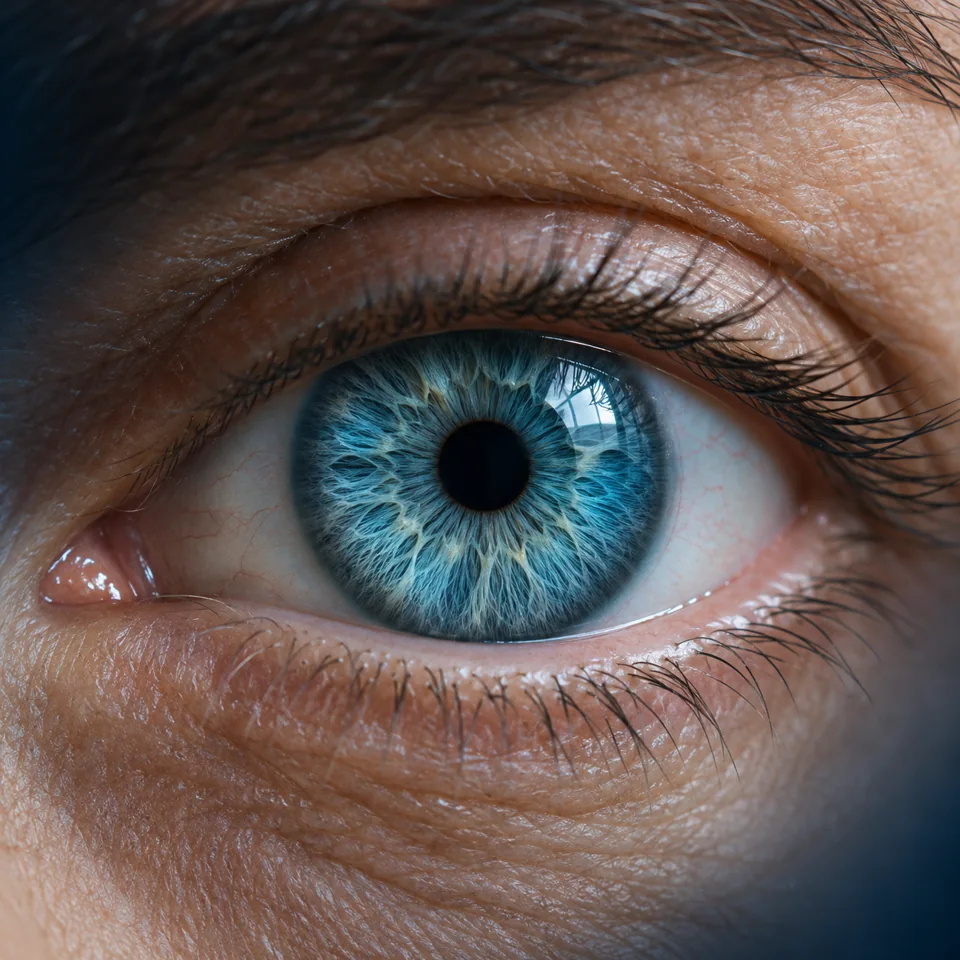
Vision is the most precious of our senses, and the mission of the Optometrists and Ophthalmologists at Multack Eye Care is to create, protect, and maintain your clear vision for a lifetime. Our goal is to provide you Clear Answers About Clear Vision – this means partnering with you on your vision journey, educating you about your unique eye structure and condition, and offering the industry’s leading diagnostic, surgical, and optimization technologies to ensure we can provide the best possible treatment solution for your unique eyes.
Multack Eye Care provides individualized vision care using advanced diagnostic and surgical technology, with physicians who have participated in FDA-monitored clinical trials. Across the combined careers of MEC physicians throughout our history, the practice’s experience includes 100,000+ ophthalmic procedures spanning cataract surgery, laser treatments and other eye procedures.
Multack Eye Care proudly serves patients who seek our care from all around and our caring staff members are deeply invested to make your eye care journey the best it can be. Our Vision is your BEST Vision!
A cataract is a clouding that develops in the lens of the eye, occurring in varying degrees of opacity. When a cataract develops, it begins to obscure the light filtered to the lens, preventing the lens from focusing properly causing vision loss.
Three Common Types of Cataracts
Subcapsular Cataract
This cataract forms in the back of the lens and is most commonly found in people with diabetes, intense farsightedness and those taking high steroid doses.
Nuclear Cataract
Nuclear cataracts are most commonly associated with the natural aging process and form in the nucleus, the center of the lens. This type of cataract’s development can be seen over time.
Cortical Cataract
Cortical cataracts form in the lens cortex and gradually extend from the outside of the lens to the center. Diabetics are often as risk of developing cortical cataracts.
Initial early cataract treatments include the use of glasses, bifocals magnification or other visual aids. When cataracts develop enough to visually impair you and negatively affect your daily life, consider cataract surgery to improve your vision. During cataract surgery, your surgeon will remove the clouded lens and replace it with a clear acrylic intraocular lens (IOL). Most cataract surgeries have a high success rate, resulting in dramatically improved vision. At Multack Eye Care that success rate is 99%+.
If you suspect you have a cataract, and you live in or around the south suburbs, feel free to contact your preferred office to schedule an eye exam with one of our doctors today.
Olympia Fields – (708) 898-1858
Frankfort – (815) 889-3333
Palos Heights – (708) 857-7990
Bourbonnais – (779) 900-8222
We will gladly answer any of your questions and provide you with the best treatment options available to you.