
Multack Eye Care · Dry Eye Center of Excellence
Dry Eye CareFocused on your comfort
Personalized care for dry, irritated or watery eyes. Start with an evaluation focused on your symptoms and everyday comfort.
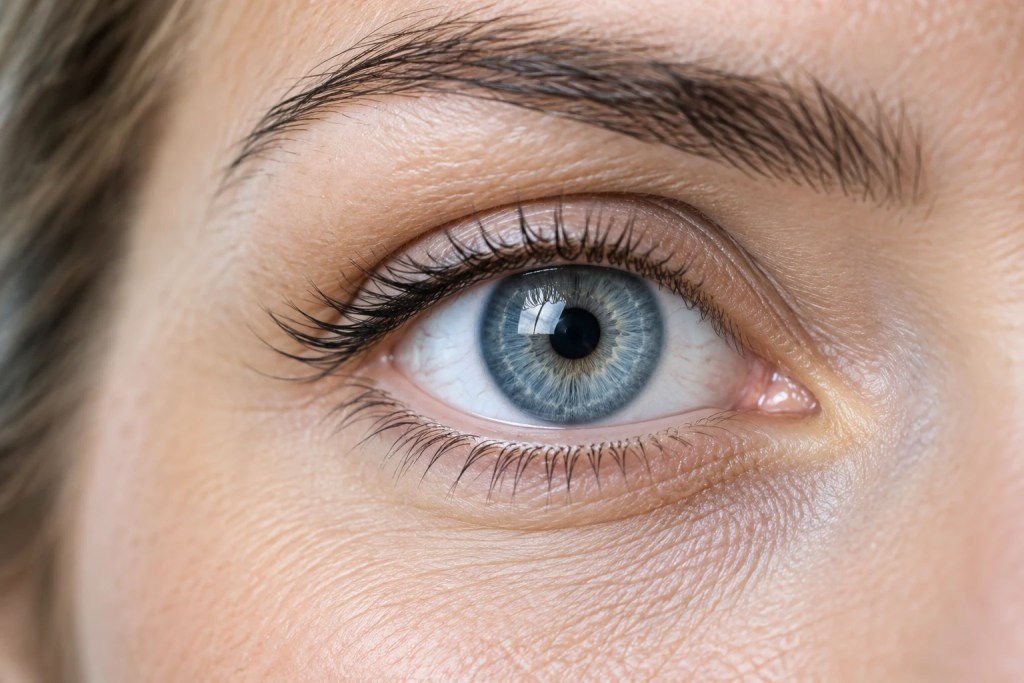
Dry eye can affect comfort, reading, screen time and the quality of vision. At Multack Eye Care, we evaluate the tear film, eyelids and ocular surface to build a plan around the cause of your symptoms. Contact our team to arrange an evaluation at one of our offices.
TEARLAB ACCREDITATION
Accredited
Dry Eye Center
Recognition of our commitment to advanced tear testing and personalized dry eye care.
MULTACK EYE CARE

What are dry eyes?
Dry eye disease develops when the tear film does not keep the surface of the eye adequately lubricated. This can result from insufficient tear production, increased tear evaporation, or both.
The tear film contains water, oils and mucus. When the meibomian glands in the eyelids do not release enough oil, tears may evaporate too quickly. Problems with tear quantity and tear quality can occur together.
If you have dry eyes, you’re likely to experience symptoms such as:
- Irritation in the eyes
- Burning sensation in the eyes
- Tired, gritty eyes
- Red eyes
- Blurry vision
- Sensitivity to light
You might often feel as though there’s something stuck in your eye and find wearing contact lenses becomes too uncomfortable.
What causes dry eyes?
There are a number of potential triggers for dry eyes, including:
- Entropion (inward turning eyelid)
- Ectropion (outward turning eyelid)
- Contact lenses
- Certain medications
- Postsurgical complications
- Age-related changes
- Hormonal changes
- Changes in the weather
- Environmental pollutants
- Dry, windy weather
- Regular use of computer screens
Health conditions, including diabetes, thyroid disease and autoimmune disorders such as Sjögren’s syndrome, can also contribute to dry eye.
Dry eye can also cause excessive watering. Irritation may trigger reflex tearing, so watery eyes do not necessarily mean that the tear film is stable or that the eye is adequately lubricated.
Left untreated, dry eyes can cause inflammation and corneal scarring.
Personalized dry eye evaluation
The first step is understanding what is driving your symptoms. Your eye care team may assess tear production, tear evaporation, eyelid health, meibomian gland function and the ocular surface. TearLab osmolarity testing, which measures the salt concentration of tears, may contribute information alongside the examination and other findings.
Dry eye treatment options
Treatment is selected for your type and severity of dry eye. A plan may combine daily care, prescription medication and in-office treatment, and may change as your eyes respond.
Treatment availability and out-of-pocket costs vary by office, prescription and insurance plan. Our team can help you understand the options recommended for your eyes.